


Pediatric cancer research is the organized, clinical and scientific study of cancers affecting infants, children and adolescents. It's important because it has helped improve the survival rates for childhood cancer significantly. However, pediatric cancer still claims the most lives among disease-related deaths for children and adolescents. More work is needed to reduce the damage it causes to children and families.
What Is Pediatric Oncology Research?
Pediatric oncology research is the dedicated scientific and clinical study of cancers affecting infants, children and adolescents under 19. This vital field investigates how childhood cancers develop and how they respond to treatment. It also examines how long-term outcomes can be improved. Unlike adult cancers, childhood cancers often originate from different causes. Early detection is crucial but rare and pediatric cancers are rarely linked to lifestyle factors.
Simply adapting adult treatments is not the best option for pediatric cancer treatments. Children's developing bodies and immune systems call for specialized protocols. Therefore, research specifically focused on pediatric cancers is crucial for developing therapies that maximize survival while minimizing long-term harm.
Why Is Pediatric Oncology Research Important?
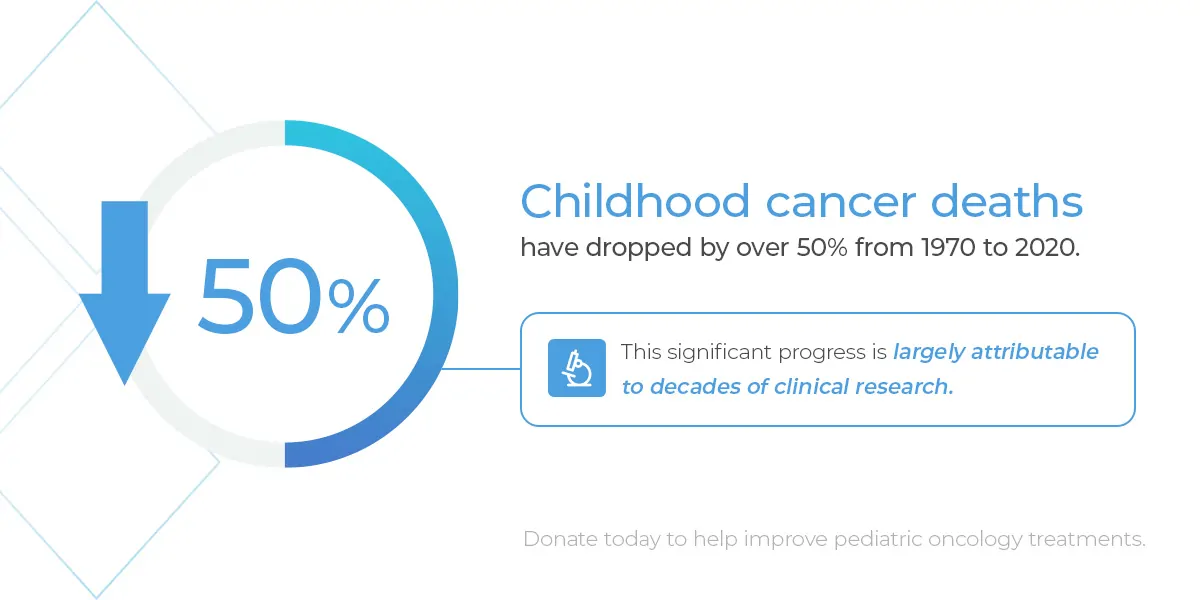
Research has dramatically transformed survival rates for children with cancer. Childhood cancer deaths have dropped by over 50% from 1970 to 2020. This significant progress is largely attributable to decades of clinical research, collaborative care models and advanced treatment protocols. Childhood cancers still remain a leading cause of disease-related death among American children, highlighting an ongoing need for research investment.
Beyond survival, pediatric oncology research focuses on improving patient care by:
- Developing safer and more precise treatments that selectively target cancer cells
- Advancing new therapies for relapsed or treatment-resistant cancers
- Protecting the long-term quality of life for survivors by minimizing treatment-related complications
A critical aspect of this research is protecting the long-term quality of life for survivors. Many children experience complications from cancer or its intensive treatments, including fertility issues, heart disease, cognitive difficulties and increased risk of secondary cancers. Survivorship research aims to refine treatments to reduce these adverse effects while maintaining their efficacy. Programs like the Penn State Health Children's Hospital Childhood Cancer Survivorship Clinic provide holistic and personalized care to help survivors with education and comprehensive support.
Join the Fight Against Childhood Cancer with Four Diamonds
Dedicated funding from Four Diamonds helps drive progress in pediatric cancer research while ensuring children and families receive comprehensive support throughout their cancer journey. Donations to Four Diamonds help advance breakthrough research, equip laboratories with specialized technology and sustain multidisciplinary care and support services, all while covering 100% of eligible cancer-related medical expenses not covered by insurance for Four Diamonds families.
Your support can make a difference for children and families today while helping transform what’s possible for those diagnosed tomorrow. A great way to start is with a $10 monthly commitment. Become a monthly donor or explore other ways to give and join us in the fight to conquer childhood cancer.