


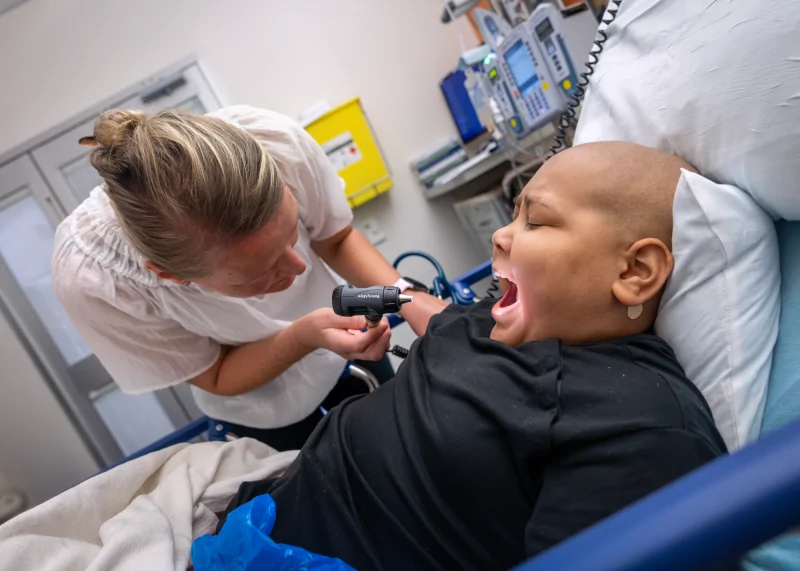
 When a child is diagnosed with pediatric cancer, their whole world changes. Treatment can mean frequent hospital visits, procedures, medications and time away from the routines of childhood. Families also face emotional and financial challenges that extend far beyond the hospital.
At Penn State Health Golisano Children’s Hospital, Four Diamonds removes many of the barriers that make childhood cancer treatment more difficult. By supporting medical care, comprehensive services, integrative therapies, survivorship and research, Four Diamonds gives care teams resources to focus on what matters most: conquering childhood cancer.
Supporting Children and Families Through Childhood Cancer
For eligible Four Diamonds children at Golisano Children’s Hospital, Four Diamonds covers 100% of cancer-related medical expenses not covered by insurance. This financial support can ease a significant burden for families as they navigate treatment.
For more than 50 years, Four Diamonds has assisted more than 5,500 children and their families. That support extends beyond medical bills. Four Diamonds also funds more than 35 specialty care providers who address the physical, mental, emotional and spiritual needs of children and their families.
This comprehensive approach allows care teams to look beyond a child’s diagnosis and consider the many ways cancer can affect a child and their family.
Removing Financial Barriers to Pediatric Cancer Care
Childhood cancer treatment can be complex and lengthy. A child may undergo multiple hospital stays, surgeries, medications, scans, procedures and other tests throughout their treatment.
Financial concerns add another layer of stress during an already overwhelming time. Four Diamonds reduces that burden by covering eligible cancer-related medical expenses not covered by insurance.
For physicians and other members of the care team, that support can create greater flexibility in determining the best course of care for each child.
“In 15 years, I have never felt that something was impossible, thanks to Four Diamonds’ support,” said Christina Toepke, Nurse Practitioner, Pediatric Hematology Oncology.
With financial barriers reduced, care teams can explore treatment options, supportive services and therapies that may not be covered by insurance. This helps physicians provide the right care at the right time while keeping the child’s individual needs at the center of treatment.
“When a family receives support from Four Diamonds, I see the sense of relief that someone else will help them carry the financial burden, allowing them to care for their child,” said Jamie Boyer, Practice Site Manager, RN, in the pediatric infusion room at Golisano Children’s Hospital. “Four Diamonds also allows them to partner with other providers for needs like having difficult conversations or finding additional resources.”
Caring for the Whole Child
Pediatric cancer affects more than a child’s physical health. Treatment can affect their mental and emotional well-being, relationships, academics and ability to participate in everyday activities.
Four Diamonds integrates additional support into a child’s care and makes it easier for families to access services alongside treatment.
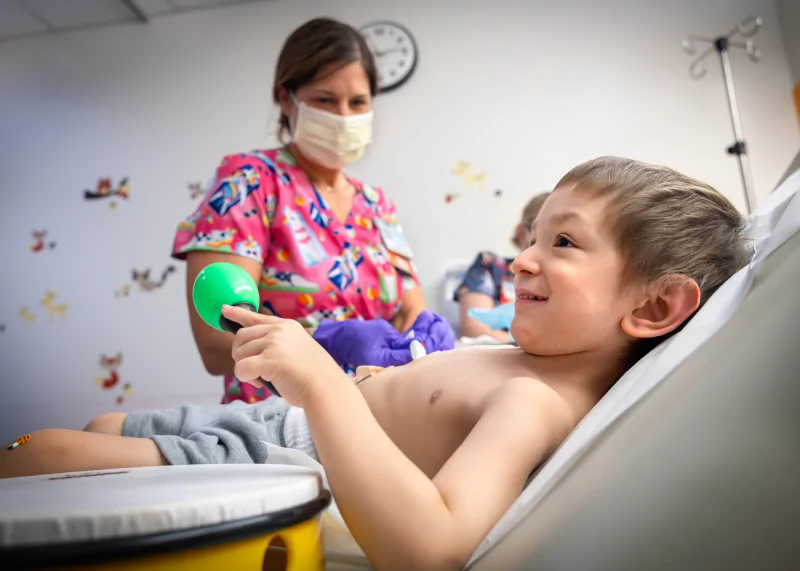
Four Diamonds child life specialists help children understand and cope with the stresses and anxieties of cancer. They support children in confronting their fears, preparing for procedures and finding ways to make the hospital environment feel more familiar.
Four Diamonds social workers support families from diagnosis through treatment and into survivorship. They advocate for families and help address practical concerns, including financial assistance, school needs and employment matters.
Children can also receive support from a psychologist, art therapist, music therapist and chaplain. These services give children and families additional ways to navigate the emotional and mental challenges that can come with a cancer diagnosis.
For one young adult patient, Dr. Pooja Rao saw firsthand how accessible psychological support could make a difference.
Cancer treatment had affected the young adult’s living situation and relationships as he spent more time in the hospital. Regular visits with a Four Diamonds psychologist gave him a place to work through those challenges.
“Having a psychologist as part of his care team gave him space to work through the emotional challenges of cancer, both during treatment and afterward. They worked together on coping strategies, managing anxiety and adjusting to life after cancer,” said Dr. Rao.
Four Diamonds made psychological support easier to access by allowing the patient to meet with the psychologist during existing hospital visits. This meant he didn’t have to navigate the emotional challenges of cancer alone and had consistent support to help him work through treatment and adjust to life afterward.
That accessibility is an important part of comprehensive pediatric cancer support. By bringing additional services closer to the child’s existing care, Four Diamonds helps make whole-person care easier to access.
Supporting Survivorship Beyond Treatment
Care for pediatric cancer does not end when treatment is done.
The Penn State Health Golisano Children’s Hospital Childhood Cancer Survivorship Clinic helps childhood cancer survivors monitor and address potential late effects of treatment. With support from Four Diamonds, a dedicated survivorship team can continue caring for survivors as they grow and help them thrive beyond cancer.
Advancing Pediatric Cancer Research
Four Diamonds’ support also extends beyond the hospital to pediatric cancer research.
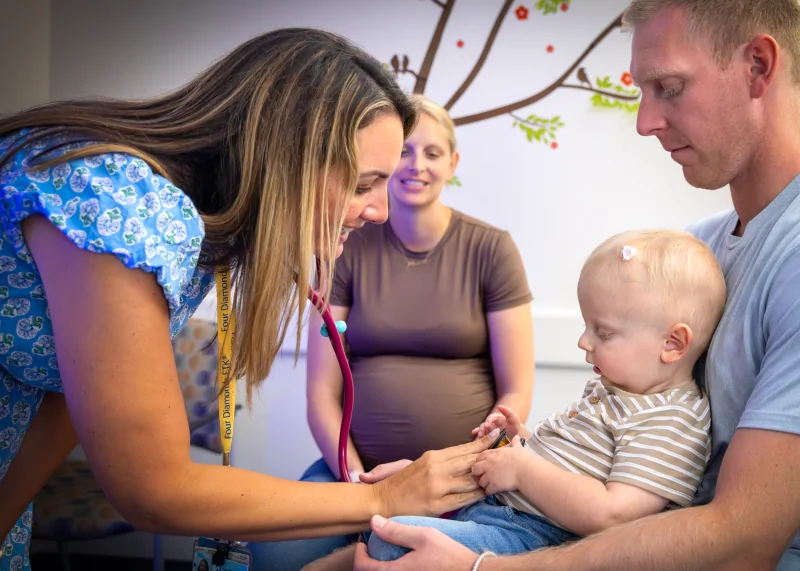
Four Diamonds supports more than 90 pediatric cancer research professionals at Penn State College of Medicine. This investment gives researchers opportunities to pursue new ideas, develop innovative therapies and work toward better treatments and cures for childhood cancer.
The connection between research and patient care is an important part of advancing pediatric cancer treatment. Clinicians who care for children can pursue research interests that may help improve the therapies available to future patients.
Four Diamonds also fosters collaboration among medical teams, specialty care providers and researchers. These connections can lead to new approaches to comprehensive care and continued progress in the fight against childhood cancer.
Making Superior Care More Accessible
Four Diamonds’ support helps make it possible for children to receive care that addresses more than their cancer diagnosis. Financial assistance, specialty services, emotional support, survivorship care and research all play a role in creating a more comprehensive approach to childhood cancer treatment.
For medical teams, that means fewer barriers standing between a child and the care they need. For families, it means having support throughout the many challenges of a cancer diagnosis. For children, it means having the opportunity to focus on being a kid while their care providers focus on helping them get better.
“Every dollar matters, every cent matters, because every contribution from donors directly impacts a child and their family,” said Dr. Nidhi Shah. “The support that a five-year-old receives today can help that child grow into a 15-year-old who is thinking about their future, their dreams and all the opportunities every child should have.”
A gift to Four Diamonds helps make superior care possible for children facing cancer while helping families navigate the financial and emotional challenges of treatment. Through research, it also gives hope and support to families today, tomorrow and always.