


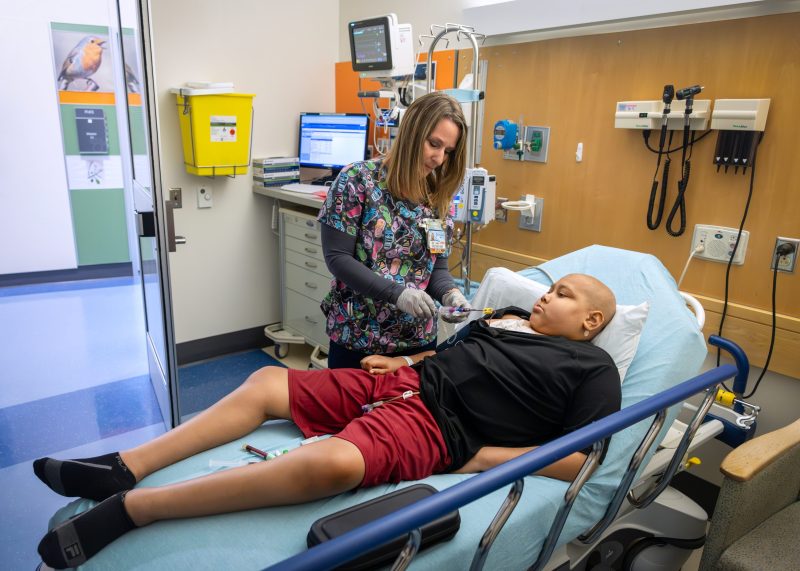
 No family expects childhood cancer to become part of their story. But each year, thousands of families across the country hear a diagnosis that changes everything.
About 15,000, to be more exact. That's how many children and adolescents are diagnosed with cancer in the United States each year, according to the National Cancer Institute (NCI).
Childhood cancer may be considered rare compared with cancer in adults, but there is nothing small about its impact. A diagnosis can suddenly replace everyday routines with hospital visits, treatment decisions and an uncertainty no family expects to face.
And childhood cancer isn't just one disease. Leukemias, brain and other central nervous system tumors, lymphomas and many other cancers can affect children and adolescents. Each has its own biology, treatment and outlook.
That distinction matters because progress against childhood cancer has not been equal across every diagnosis. Conquering childhood cancer doesn't mean finding a single cure. It means continuing to develop safer, more effective treatments for many different diseases and ensuring that progress reaches every child.
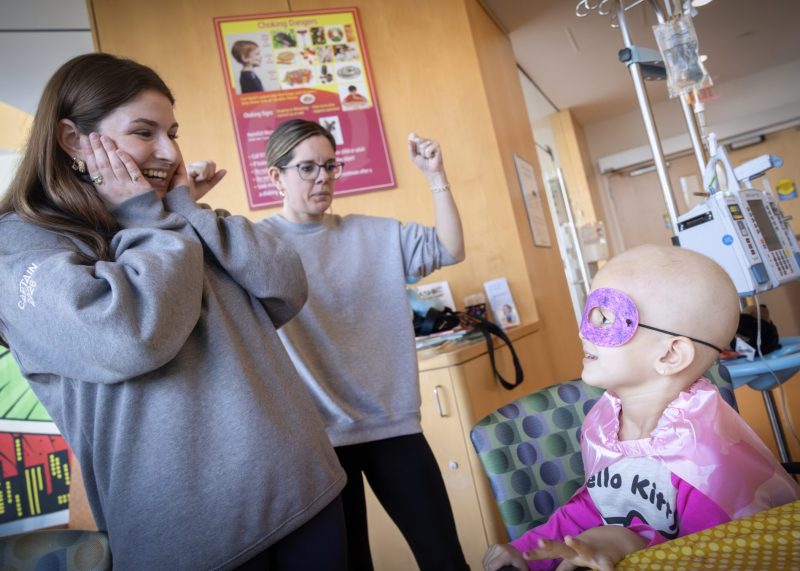
About 85% of children diagnosed with cancer survive at least five years
Thankfully, decades of research have transformed what a childhood cancer diagnosis can mean.
According to the NCI, approximately 85% of children diagnosed with cancer are alive at least five years after diagnosis. That progress represents countless children who have had the opportunity to grow, learn, celebrate birthdays and imagine a future beyond cancer.
But 85% doesn't tell the whole story.
Survival rates vary considerably by cancer type, age and other factors. And for children who survive cancer, ringing the bell or completing treatment may not always mark the end of their cancer journey.
The NCI reports that some childhood cancer survivors experience late effects of cancer or its treatment months or even years later. These can affect physical health, growth and development, learning, emotional well-being and quality of life.
That's why the next chapter of childhood cancer research isn't only about helping more children survive. It's also about developing treatments that are more precise and less toxic so survivors have the opportunity to live longer, healthier lives. At Four Diamonds, the focus is for children to not only survive but thrive.
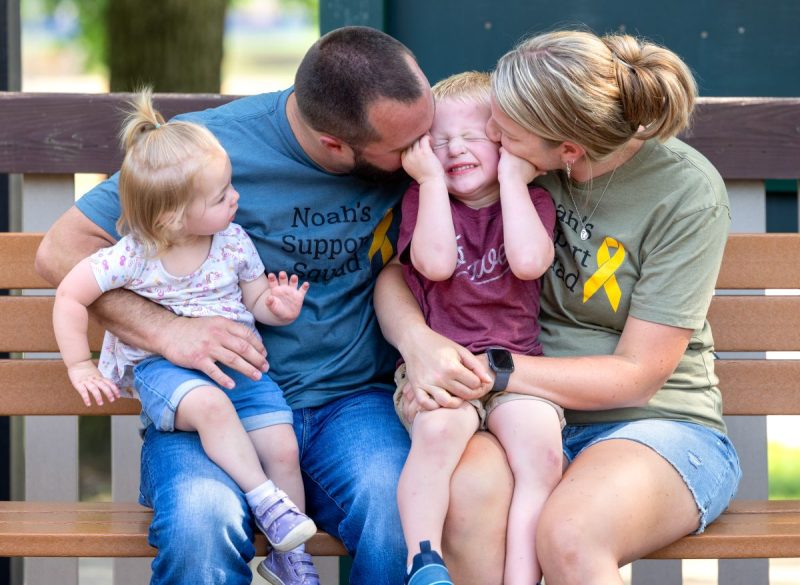
Cancer affects more than the child
A childhood cancer diagnosis reaches far beyond a child's physical health. In an instant, a family may find itself navigating medical bills, transportation, missed work and school, emotional stress and the everyday realities of caring for a child undergoing treatment.
Cancer may happen to one child, but the entire family lives through it.
And few families are financially prepared for a life-changing emergency. According to the Federal Reserve's 2025 survey of U.S. households, only 38% of adults said they could cover an emergency expense of $5,000 or more using their savings alone. Thirty percent said they could not cover three months of expenses through savings, borrowing or selling assets.
A childhood cancer diagnosis shouldn't come with the added question of whether a family can afford to get through it.
That's why Four Diamonds takes a comprehensive approach to childhood cancer.
No family should have to face cancer alone.
For eligible children receiving treatment at Penn State Health Golisano Children's Hospital, Four Diamonds covers 100% of medical expenses related to cancer care not covered by insurance. Four Diamonds also helps fund more than 30 specialty care providers who support the physical, mental, emotional and spiritual needs of children and their families.
That team includes social workers, Child Life specialists, music and art therapists, psychologists, nutrition specialists, nurse coordinators and others who help families navigate challenges that extend well beyond treatment itself.
We don't believe childhood — and all the simple joys and developmental milestones that come with being a kid — should stop just because of a cancer diagnosis.
Since its founding in 1972, Four Diamonds has helped more than 5,500 children and their families.
For those families, comprehensive support can mean having one less bill to worry about, someone to help a child understand what's happening or a professional there to support a family through one of the most difficult chapters of their lives.
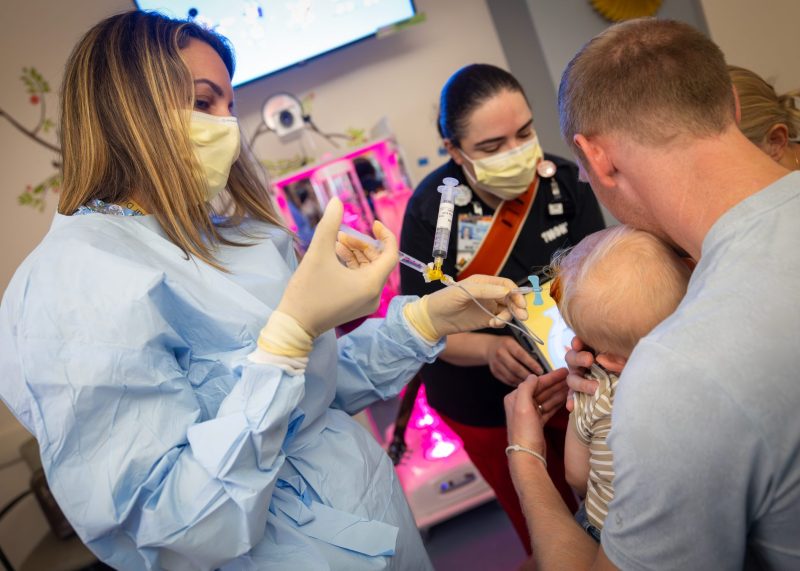
Supporting today's families while changing tomorrow
Financial assistance and comprehensive support help families navigate the realities of childhood cancer today. Research creates the possibility of changing those realities for the families who come next.
Four Diamonds supports more than 90 pediatric cancer research professionals at Penn State Health Golisano Children's Hospital and Penn State College of Medicine. Their work is focused on finding more effective therapies, increasing cure rates and minimizing the long-term effects of treatment.
That research reaches far beyond Hershey. Four Diamonds researchers collaborate with doctors and scientists through national and international research consortiums, sharing discoveries and advancing treatments that have the potential to benefit children across the country and around the world.
It's this combination that defines the Four Diamonds approach: helping families through childhood cancer today while working toward a future where fewer families have to experience it tomorrow.
Through superior care, comprehensive support and innovative research, Four Diamonds is working across the childhood cancer journey — from the moment a family receives a diagnosis through treatment, survivorship and the search for better treatments and cures.
Every number represents a reason to keep going
The numbers tell a story of extraordinary progress.
More children are surviving childhood cancer. Research continues to uncover new possibilities. Families have access to care and support that can help carry them through some of their most difficult days.
But, the numbers also tell us there is more work to do.
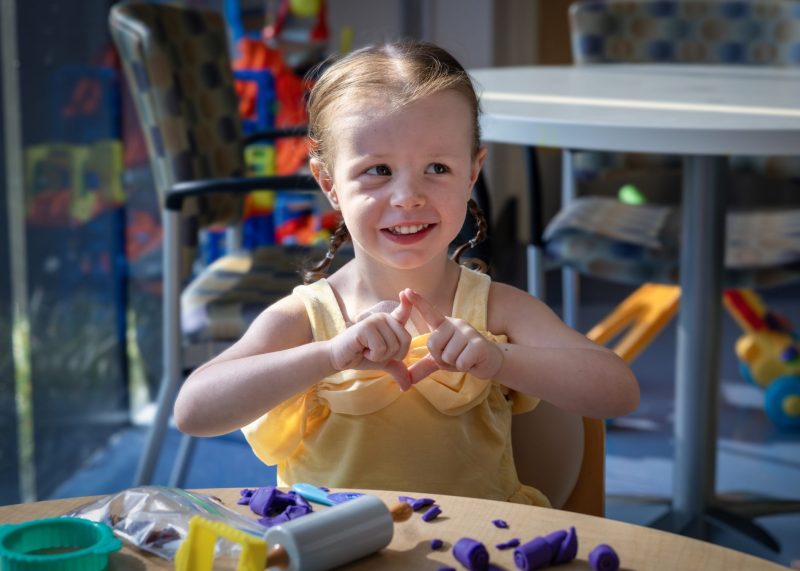
Remember: 15,000 isn't just a number. It's 15,000 children.
Children whose lives may suddenly revolve around appointments and treatments instead of school, sports, friends and simply being a kid. Imagine, for a moment, if the childhood experiences that shaped you were suddenly interrupted by cancer — if the routines, milestones and moments you once took for granted became uncertain.
Behind each of those children are parents, siblings and loved ones whose lives change, too.
That is why awareness matters.
Childhood Cancer Awareness Month gives us an opportunity to recognize those children and families, celebrate how far we've come and recommit ourselves to the work still ahead.
Whether you donate, fundraise, volunteer or simply help someone else understand the need, you can be part of a community working toward a future where every child has the opportunity to grow up.
Together, we can conquer childhood cancer.