


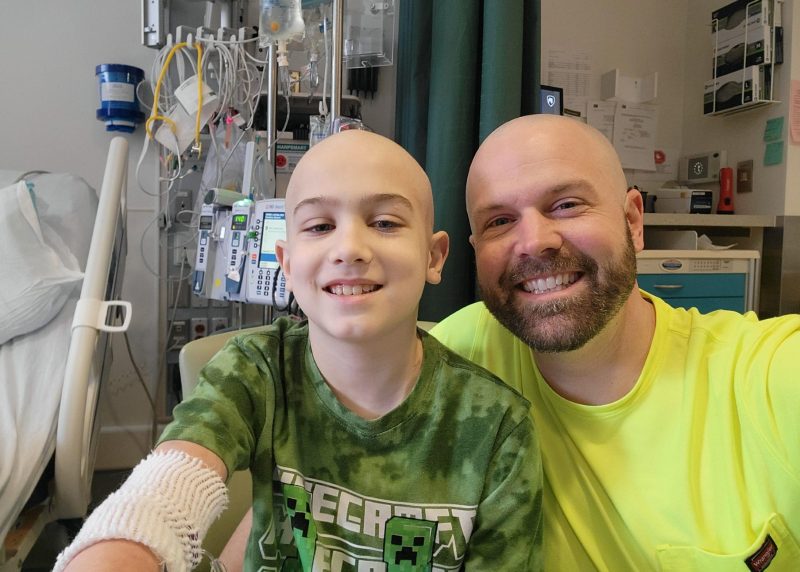
 A Search for Answers
Before childhood neuroblastoma changed his life, Asher was always on the move. The 11-year-old loved riding his bike, playing outside and spending time with his friends.
Then, little by little, things changed.
He wasn't eating well, and he often felt sick to his stomach. At a routine checkup, his doctor noticed his height and weight had stopped increasing. Bloodwork and specialist visits didn't provide any answers, but his mom, Lauressa, knew something wasn't right.
In February 2025, she took Asher to the emergency room because of severe stomach pain.
That's when doctors found the tumor. Asher was diagnosed with neuroblastoma, a rare cancer of the nervous system.
"It wasn't the diagnosis you would want," Lauressa said. "But at least we knew what we were fighting."
More Than Standard Treatment
Neuroblastoma treatment is one of the most aggressive treatments in pediatric cancer care, and Asher's journey became even more complicated.
Asher needed two additional rounds of chemotherapy after his initial treatment. He faced complications after surgery, developed liver problems and typhlitis following his stem cell transplant, and endured severe treatment-related pain.
Each setback required his medical team to adjust his care.
Doctors, nurses and specialists at Penn State Health Golisano Children's Hospital continually looked for new ways to manage his pain and respond to unexpected complications. Along the way, what they learned from Asher's care may help improve treatment for other children facing the same disease.
Research Made a Difference
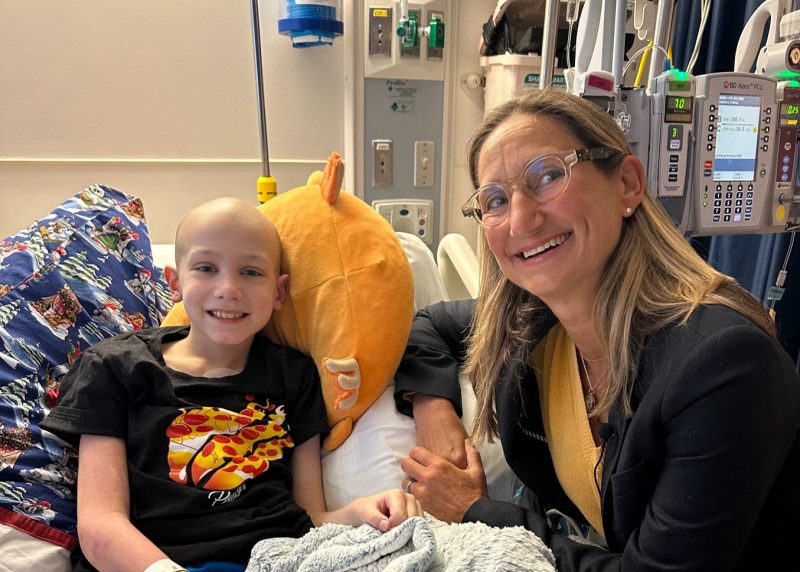
Throughout treatment, Asher participated in three clinical trials.
Each study focused on improving outcomes for children with neuroblastoma, whether by reducing the chance of relapse or finding better ways to treat the disease.
For Lauressa, research became personal. "We've met a lot of people along the way, especially people with neuroblastoma, and not everybody's case is turning out as great as ours," she said. "I think some parts of it are due to Four Diamonds and cancer research."
Stories like Asher's are why Four Diamonds continues to invest in childhood neuroblastoma and other pediatric cancer research at Penn State College of Medicine. Today, Four Diamonds supports more than 90 pediatric cancer research professionals working to discover safer treatments and better outcomes for children.
Support Beyond the Hospital Room
While research shaped Asher's treatment, Four Diamonds helped support his family through every stage of the journey.
Four Diamonds supports children and families throughout treatment by helping cover eligible out-of-pocket medical expenses, providing social work and emotional support, offering practical resources and investing in research to improve treatments and outcomes for children with cancer.
For Asher's family, that support included coverage for out-of-pocket medical expenses not covered by insurance and meal vouchers during hospital stays. Their Four Diamonds social worker also helped the family navigate school, emotional challenges and other needs that came with treatment.
Asher's family also found encouragement through Penn State THON™, their paired THON organization, family, friends and their community.
"I don't know how people could do this journey alone," Lauressa said. "It's been such a blessing to have people care about us and be there to support us."
Looking Toward Tomorrow
Today, Asher is in the maintenance phase of treatment and growing stronger every day.
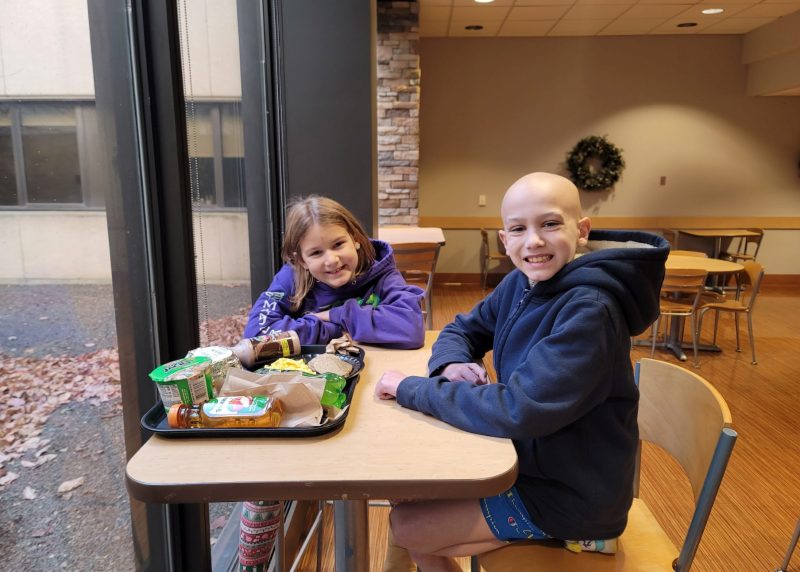
He's looking forward to something simple: going back to school, spending time with his sister and friends, and enjoying life at home instead of in a hospital room.
Lauressa hopes future families will have an easier path than theirs. "Research is critical for families like us that want to see their kid having a normal life and being a kid again," she said.
For children like Asher, every breakthrough brings that future a little closer. Four Diamonds remains committed to advancing research into childhood neuroblastoma and other pediatric cancers while providing life-changing support for children and families facing childhood cancer.