


A childhood cancer diagnosis changes everything. Beyond medical care, families often need emotional support, guidance and practical resources to navigate what comes next.
Through Four Diamonds and Penn State Health Golisano Children’s Hospital, families have access to a wide range of support services designed to care for the whole person—not just the diagnosis. From counseling and community connection to financial support and resource navigation, these services help families feel supported at every stage of the journey.
The Full Spectrum of Cancer Support Services
Cancer impacts more than physical health. It affects emotional well-being, family dynamics, daily routines and financial stability. A comprehensive support system helps families manage these challenges with clarity and confidence.
At Penn State Health Golisano Children’s Hospital, families are supported by a multidisciplinary team that may include:
-
Social workers: Help navigate resources, provide emotional support and connect families to community-based services
-
Chaplains: Offer spiritual care and guidance, regardless of religious background
-
Nurse coordinators: Serve as a central point of contact, helping families understand treatment plans and coordinate care
These professionals work together to reduce stress, improve communication and ensure families feel supported throughout treatment and beyond.
Emotional Support and Counseling Services
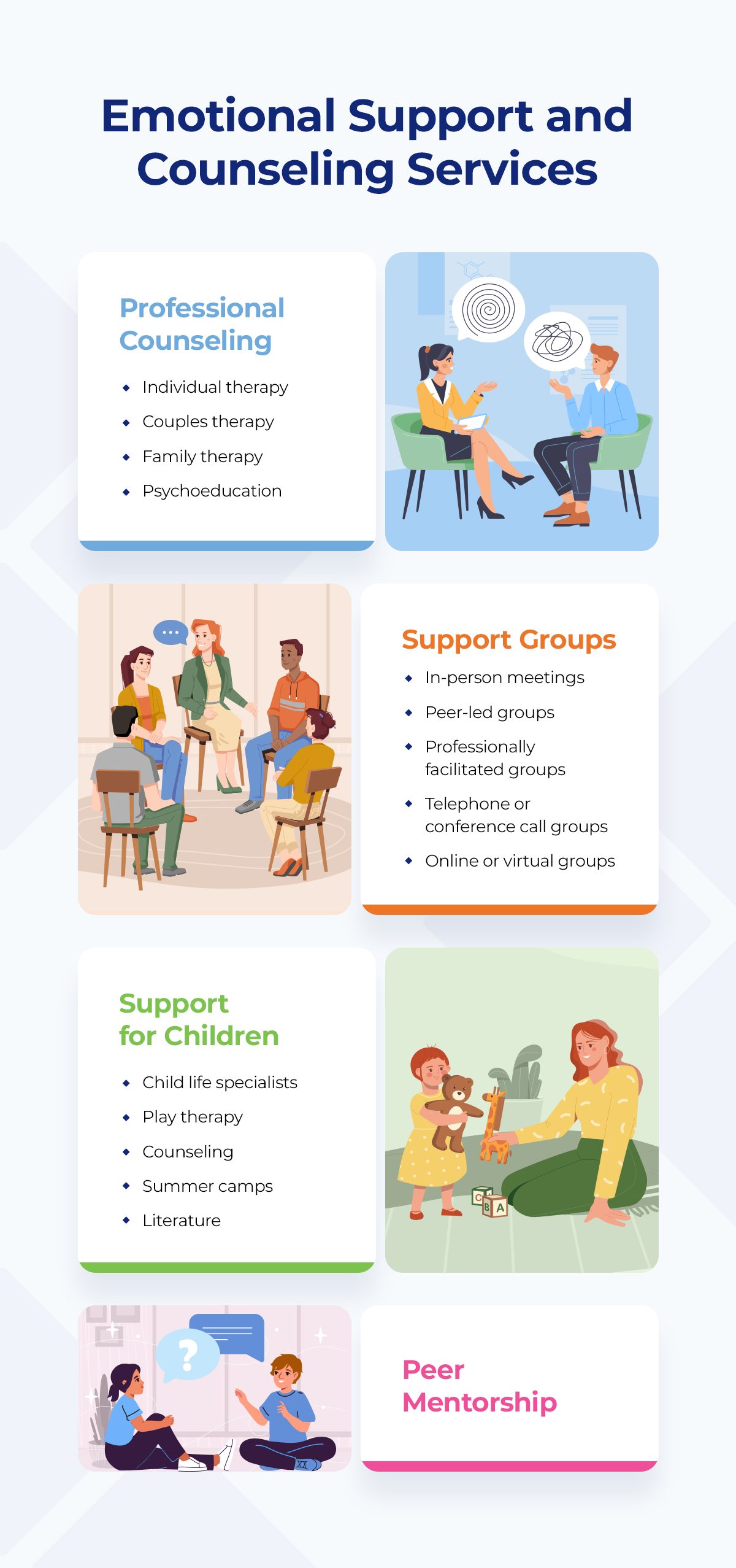
A cancer diagnosis brings a whirlwind of emotions. Shock, numbness, fear, anger, loneliness, helplessness, grief, guilt and anxiety — it's all normal. Patients and families often have difficulty coping with these emotions and need help to process them. Emotional support and counseling services can help you and your family manage the psychological distress of a diagnosis, reduce isolation and improve quality of life. There's a variety of options for you and your family to consider.
Professional Counseling
Professional counseling addresses the immense emotional and psychological strain that follows a cancer diagnosis. According to the National Library of Medicine, about 30% of cancer patients experience psychological disorders as a result of their illness, including anxiety, depression and post-traumatic stress. Early and ongoing mental health counseling is essential for a patient's well-being and overall care, as well as the family's.
Licensed mental health professionals support patients and families in managing the emotional and psychological impact of cancer. Services may include:
-
Individual counseling for patients navigating emotional challenges
-
Family counseling to support communication and adjustment
-
Support for siblings and caregivers
-
Psychoeducation to help families better understand and cope with the cancer experience
At Penn State Health Golisano Children’s Hospital, psychosocial providers work closely with families to tailor support based on individual needs, helping reduce distress and build long-term coping strategies.
Support Groups
Support groups can take many forms, including in-person meetings, virtual communities, peer-led groups and professionally facilitated sessions. These spaces allow patients and families to connect, share experiences and find support from others navigating similar challenges.
At Penn State Health Golisano Children’s Hospital, connection is often built through both structured and informal experiences. While formal support groups may be available in some settings, many Four Diamonds-supported programs create natural opportunities for peer support by bringing families together in meaningful ways.
These may include:
-
Camps and recreational programs
-
Book clubs and creative workshops
-
PhotoVoice and storytelling initiatives
-
Life on Pause and other reflective programming
-
Special events and family-centered activities
Throughout the year, informal gatherings—often centered around shared activities or meals—are also offered within the hospital setting. While not structured support groups, these experiences foster community, reduce isolation and help families feel less alone.
Support for Children and Siblings
While children might not understand cancer and what it means, they also need guidance and assistance in developing strategies to cope and adjust to the diagnosis. Therapies such as play, art and music are often used to reduce anxiety and fear, normalize the medical environment and procedures and provide support for patients and siblings struggling to understand what's happening.
Examples of support for children may include:
-
Child life specialists: Certified pediatric health care professionals can help children and families cope with stress and medical trauma through therapeutic play and age-appropriate education.
-
Play therapy: Playing with real or toy medical equipment and doing pretend procedures can help children understand and reduce fear and anxiety.
-
Counseling: Professional counseling and support groups, led by social workers, open the lines of communication between parents and their children to discuss the diagnosis and answer questions.
-
Summer camps: Some programs offer summer camps and long-term support for children affected by cancer.
-
Literature: Interactive workbooks and comics allow children to process and understand cancer through storytelling.
Life changes when faced with cancer, so ensure open communication, reassurance, structured routine and expressive creative outlets to support your children through these changes.
Peer Mentorship
Connecting with someone who has faced a similar diagnosis can provide comfort, perspective and hope.
While Four Diamonds does not offer a formal peer mentorship program, the care team may help facilitate connections between patients or families when appropriate. These introductions are made thoughtfully and on a case-by-case basis, often connecting individuals who have expressed a willingness to support others.
Financial Assistance for Cancer Patients
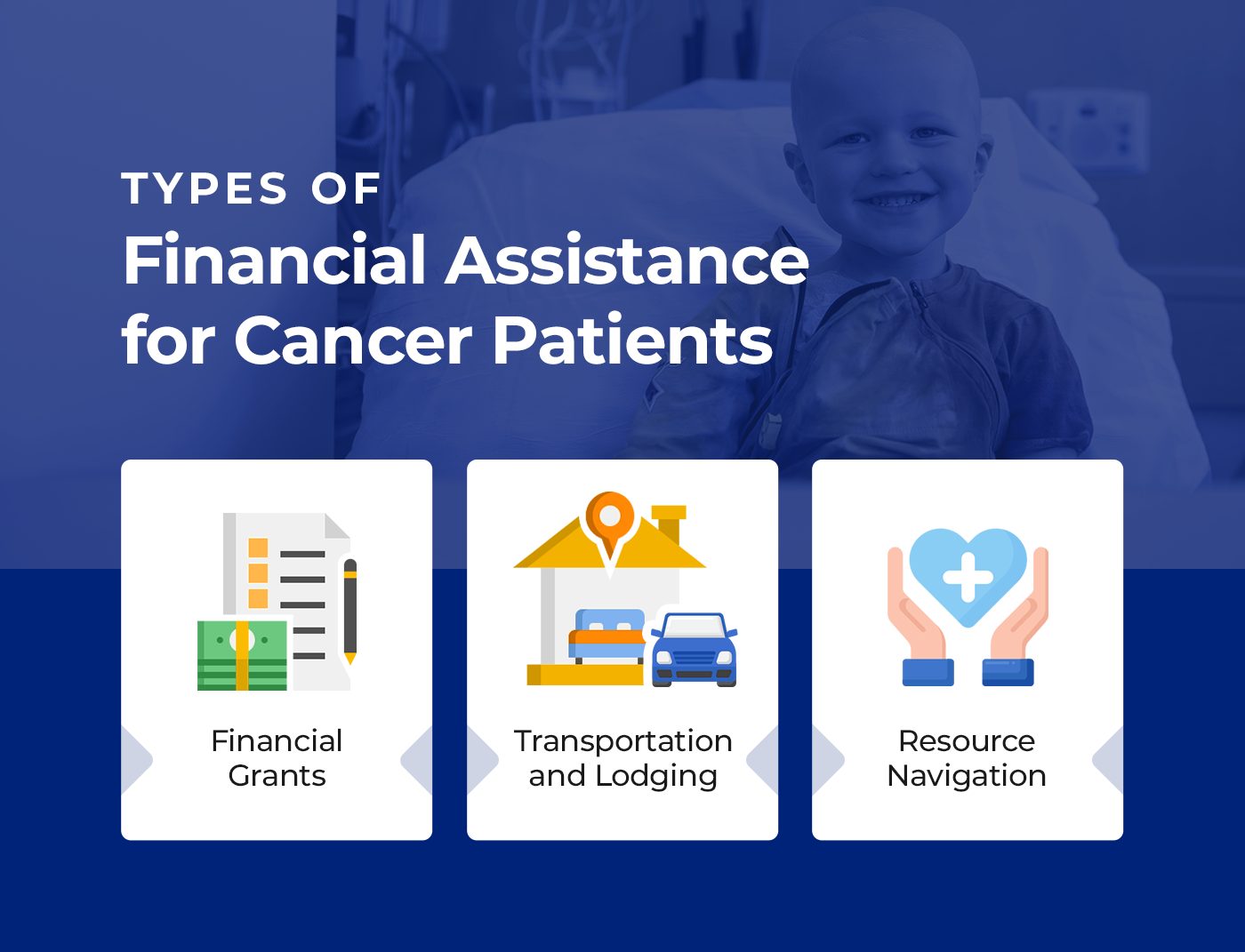
Cancer can place a significant financial burden on families—but for those supported by Four Diamonds, the cost of care should never be one of them.
Four Diamonds covers 100% of the cost of pediatric cancer care not covered by insurance for eligible patients at Penn State Health Golisano Children’s Hospital. This ensures families can focus fully on their child’s treatment and well-being, without the added stress of medical bills.
Beyond covering the cost of care, families may also receive assistance related to:
-
Navigating insurance and understanding coverage
-
Transportation to and from treatment
-
Lodging for families traveling long distances
-
Access to food and other essential needs
Social workers and care teams help connect families to these resources when needed, ensuring comprehensive support throughout the cancer journey.
Resource Navigation and Advocacy
Understanding how to access and coordinate care can feel overwhelming.
Social workers and care teams help families navigate:
-
Health care systems and treatment logistics
-
Insurance and financial considerations
-
Community-based support services
-
Long-term care planning
This guidance helps families make informed decisions and feel more confident throughout their journey.
Caregiver and Household Resources
Caregivers and family are also affected by a cancer diagnosis. While your loved one goes for treatments, suffers from side effects and does the best they can to cope, caregivers and families are left emotionally drained and overwhelmed. Often, you rely on extended family and the community to provide support during hardships. But what if you need specific guidance, educational resources and emotional support that only professionals and those who have been there can provide?
Caregiver Support
As a caregiver, you need support too. Caring for a family member is a full-time job, and it can take its toll on your health and mental well-being if you don't seek assistance when you need it. You need to take care of yourself to avoid burnout. As a helping hand, there are resources available to ensure you have what you need to manage this new role and its responsibilities.
Various resources provide:
-
Practical support: You can access local transport, lodging and financial aid to help you with logistics when heading to treatments.
-
Emotional support: Counseling and support groups offer a safe space to share your feelings, seek guidance and feel less alone along your journey.
-
Educational resources: Navigate cancer and how to help your loved one and their everyday needs with dedicated educational platforms offering information, guidance and tips.
Take time for yourself to rest, recover and process what you're experiencing. It's challenging and isolating, but there are resources ready to help.
Household Support
To make everyday life easier, community-based support lets you focus on caring for your loved one while the menial tasks and chores are handled. Family and friends can help you with cooking and delivering meals to your home, offering rides to and from treatments or even dedicating some of their time to doing chores on your to-do list.
In-home care services are also available and offer personal support to families, reduce the frequency of hospital visits and increase comfort and convenience. These services feature skilled nursing, medication administration and daily living assistance to aid recovery and help you manage the side effects of treatments with care. Medicare-certified agencies and specialized private home care services provide this support when you need help caring for your loved one.
Support During the Most Difficult Moments
For families facing end-of-life care or navigating the loss of a child, compassionate support remains an essential part of care.
Through Four Diamonds, families with children receiving treatment at Penn State Health Golisano Children’s Hospital have access to grief and bereavement support designed to provide comfort, connection and understanding during incredibly difficult times.
The Hummingbird Program offers dedicated bereavement support for parents and families, including opportunities to connect with others who have experienced similar loss, participate in remembrance activities and access ongoing emotional support. These programs are thoughtfully designed to ensure families feel supported not only during treatment, but in the time that follows.
A Support System That Extends Beyond Treatment
Support services are not extras. They are essential.
A childhood cancer diagnosis changes everything, but families do not have to navigate it alone. From emotional care and financial support to community connection and shared experiences, these resources are designed to support the whole family through every stage of the journey.
Whether just beginning treatment or moving forward into survivorship, families have access to the guidance, tools and compassionate care needed to navigate the complexities of childhood cancer with strength and confidence.
Through Four Diamonds and Penn State Health Golisano Children’s Hospital, families are supported every step of the way—with care that extends far beyond treatment.